INVESTIGATING SNOW – Mini Case Study for Climate Detectives
The mini case studies for Climate Detectives are intended to help teachers to identify the topic that their Climate Detectives team will investigate and to guide them during the different phases of the project. In the template, teachers will find some suggestions of data that students can collect and analyse. The suggestions are not exhaustive, and the teachers may decide on their own specific focus within a given research area. The mini case study should be used in conjunction with the teacher guide and not as a standalone document.
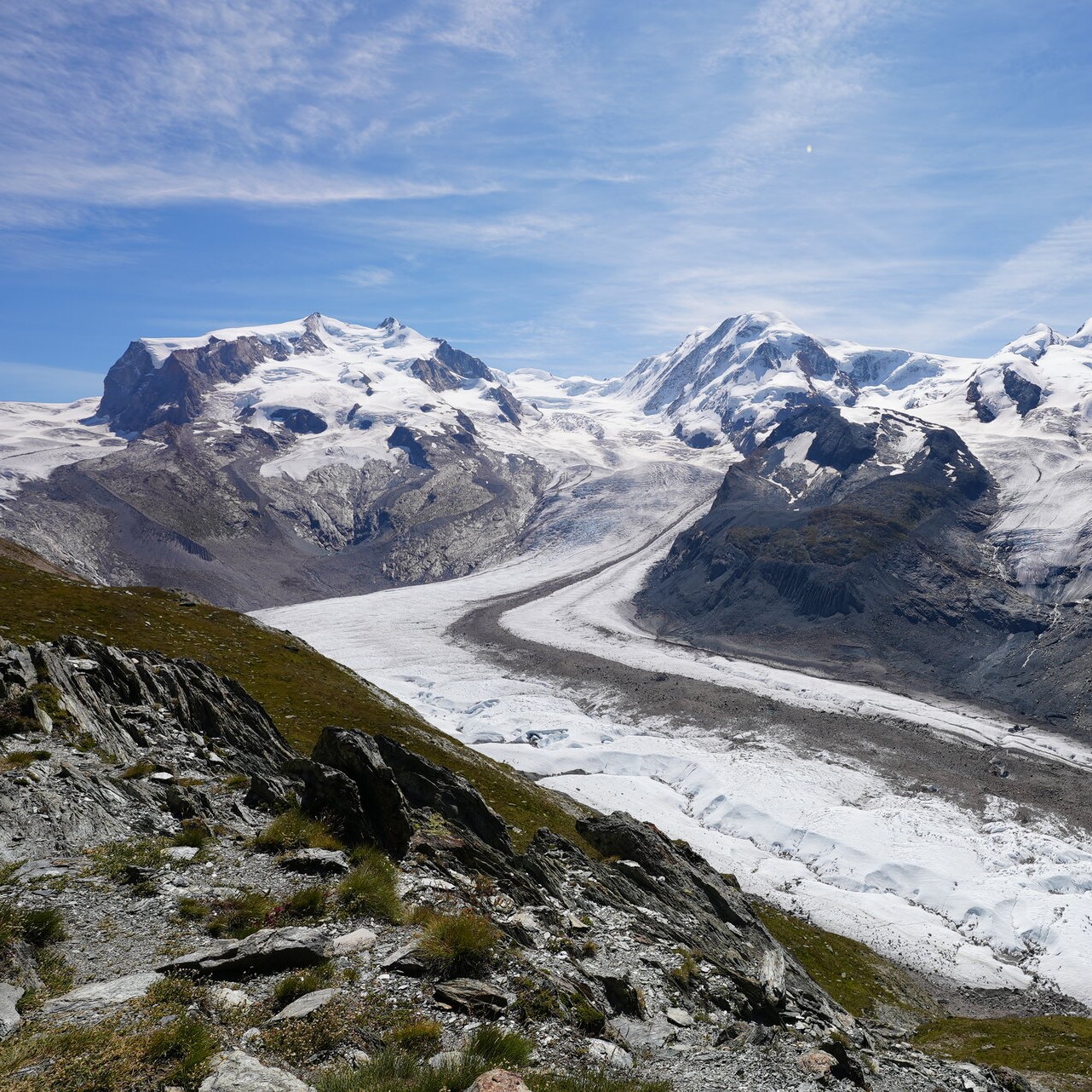
This case study is dedicated to the topic of Snow and Climate and students will investigate the links between snowing events, snow cover and climate change. This mini case study is an ESA Education production in collaboration with ESERO Finland.
Subject Biology, Science, Earth Science, Chemistry
- Gaining knowledge about snow and its characteristics
- Understand the relation between Snow cover and Climate Change
- Identify the consequences of changes in the snow cover
- Understand how Earth observation satellites can be used to monitor changing snow cover and snowing events during several years
Did you know?
Sandstorms from the Sahara can sometimes travel all the way to Europe. When snowfall hits, a snow crystal forms around a particle of Sahara sand. The resulting snowdrifts look orange, their dirtiness observable with the naked eye. The phenomenon happens more often in Southern Europe, for example in the snow resorts of the Alps, but it is possible for the phenomenon to happen almost every year or several times a year in Northern Europe as well.
Climate Change Kit
Explore ESA’s interactive Climate Change Kit The Climate Change from Space Kit is an interactive PDF that takes the reader through...
From the Ground and from the Sky- Analysing and understanding images of planet Earth taken from space
Brief description In this set of three activities, pupils are introduced to the idea of remote observation of the Earth...
The Power of Earth Observation
We are all intricately interconnected to our Earth – from the trees that provide us with oxygen, to the natural sources that shape our landscape. ESA’s Earth observation programme is at the forefront of monitoring...
Copernicus Browser Case Study: Oil Spills From Space
Brief description This activity supports teachers in guiding their students to investigate oil spills and their impacts using satellite imagery....
The Magic of Light – Using spectroscopes and colour wheels to study the properties of light
Brief description In this set of eight activities, pupils work individually or in groups to build a spectroscope that can...
The greenhouse effect and its consequences – Investigating global warming
Brief description In this set of three activities, students will do hands-on experiments and learn how to interpret satellite images...