

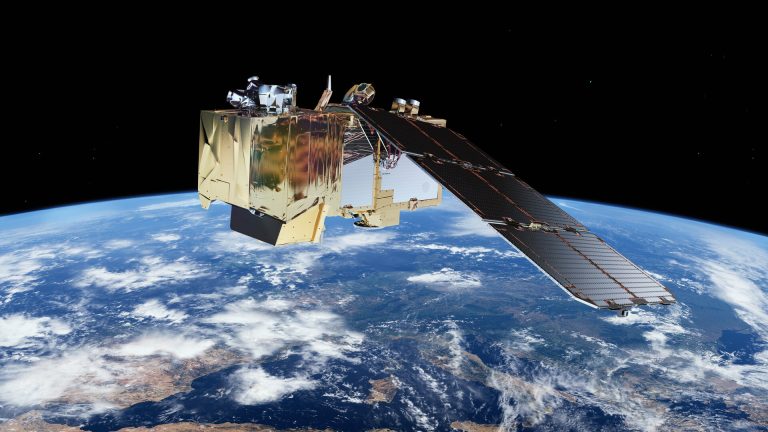

Sentinel-3 for Oceans
Discover how Copernicus Sentinel-3 mission is helping scientists to understand the overall health of our planet.

Saving lives when disasters strike
Discover how satellite images can help with disaster relief and recovery anywhere in the world.
Weather vs Climate – Understanding the difference between weather and climate
Brief description In this set of three activities, students will learn the difference between weather and climate. They will identify...
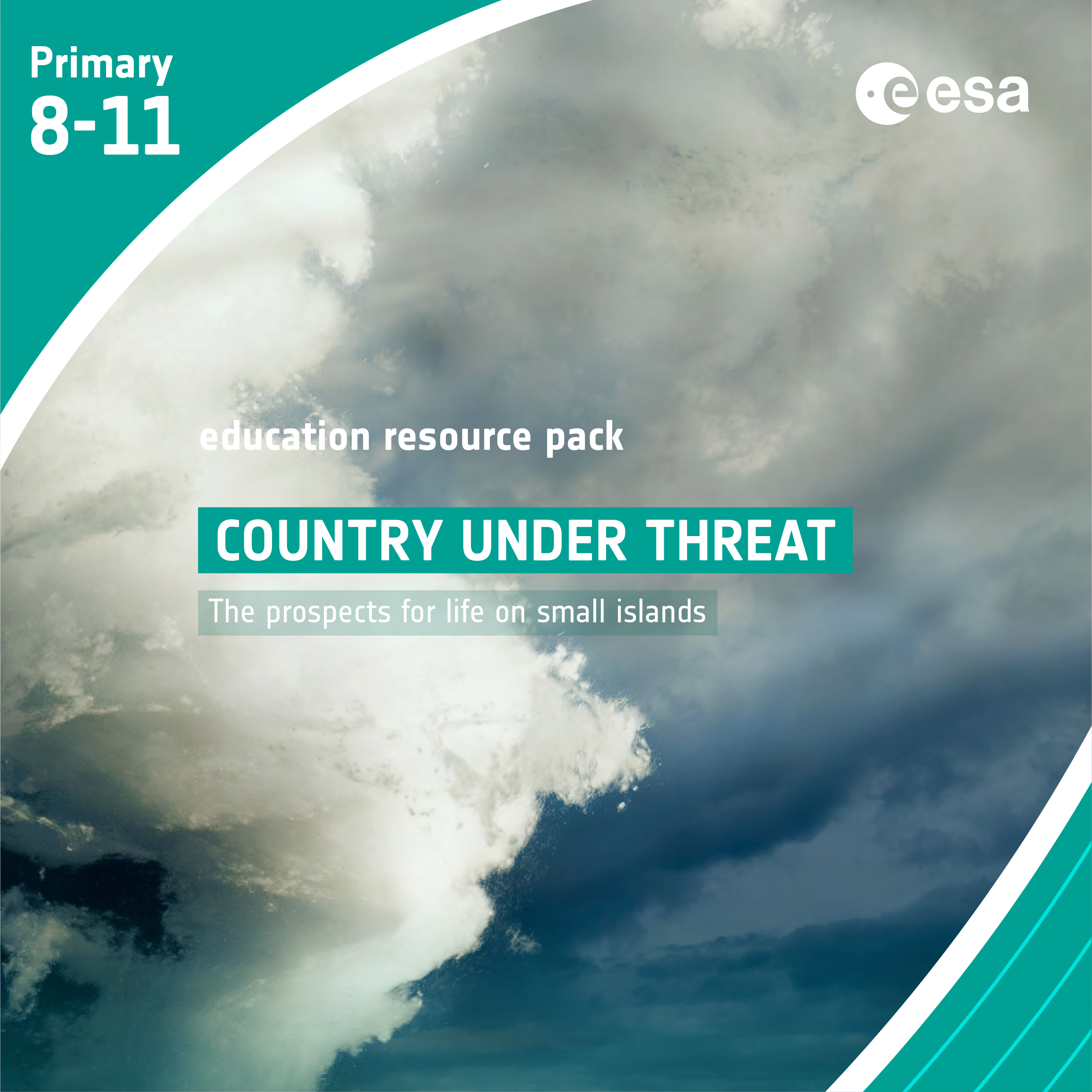
Country under Threat – The prospects for life on small islands
Brief description In this set of four activities pupils will learn about the causes and potential impacts of sea-level rise...
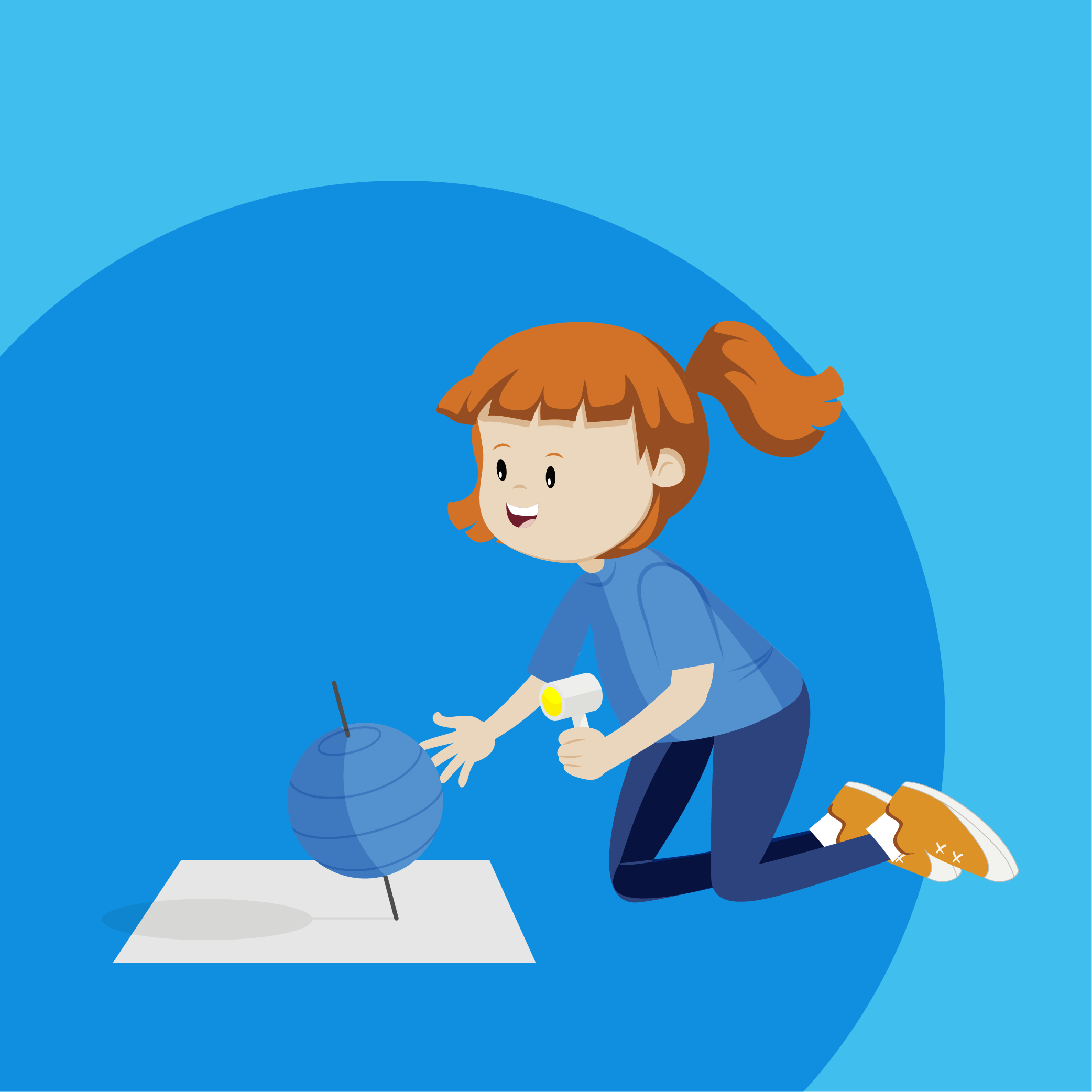
One year on Earth – Understanding seasons
Brief description This resource includes two activities to foster and enhance pupils’ knowledge of seasons, and focuses on the basic...
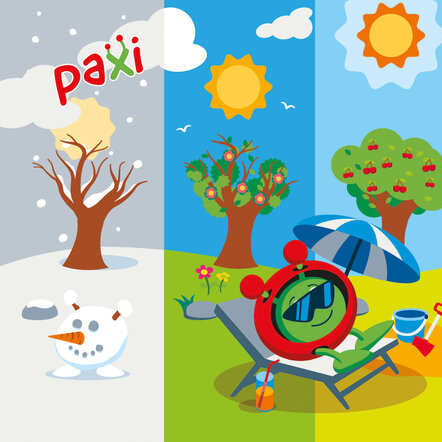
Paxi – Day, night, and the seasons
Brief description:Join Paxi as he explores why we have day and night, and learn why the Earth has seasons. Have...
 English
  Czech
Czech  Danish
  Estonian
  Finnish
  French
  German
  Greek
Greek  Hungarian
  Italian
  Latvian
  Lithuanian
  Dutch
Dutch  Norwegian
  Polish
  Portuguese
  Romanian
  Slovak
  Slovenian
  Swedish
  Spanish