



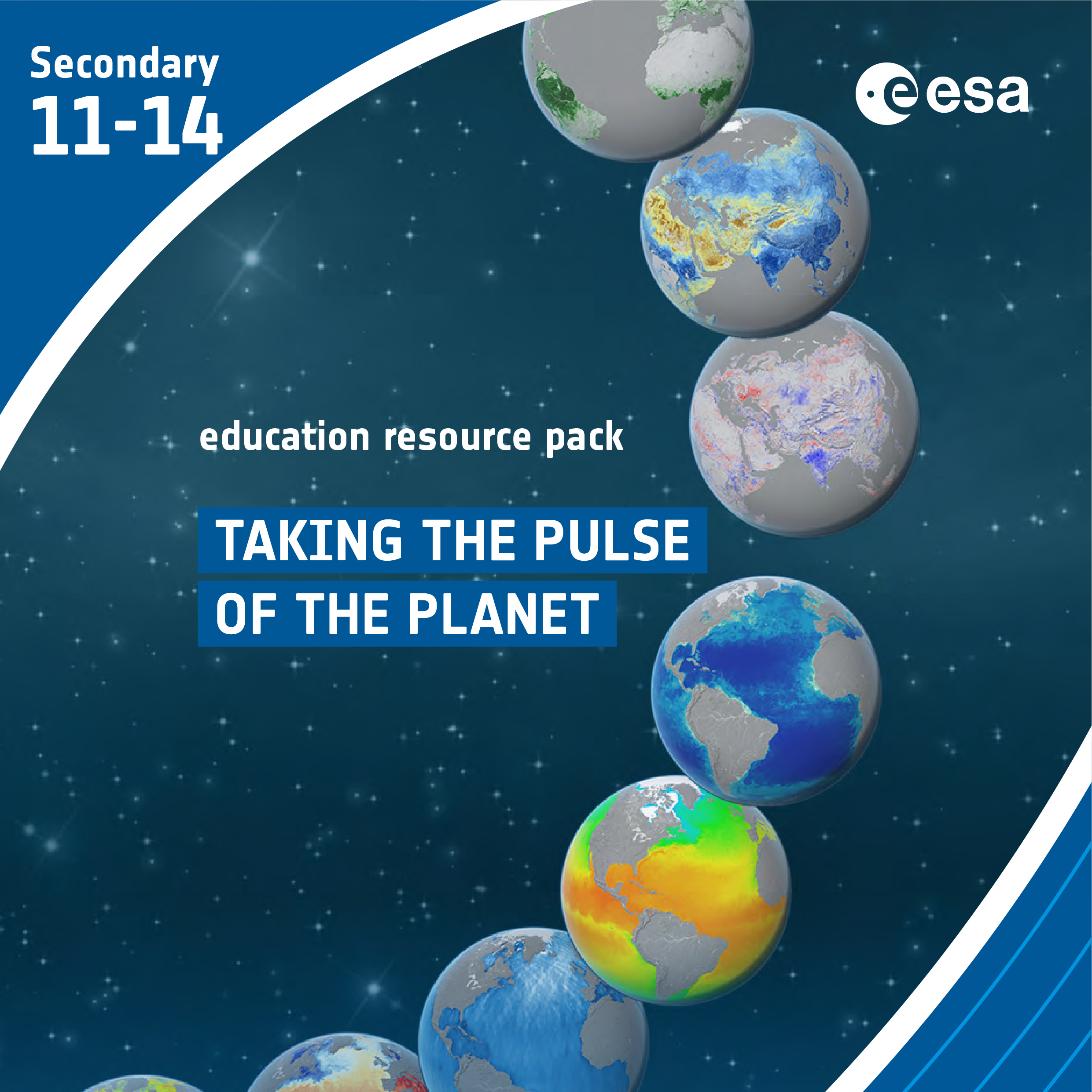
Taking the Pulse of the Planet
Brief description In this set of three activities, students will learn how various types of electromagnetic radiation are used to...
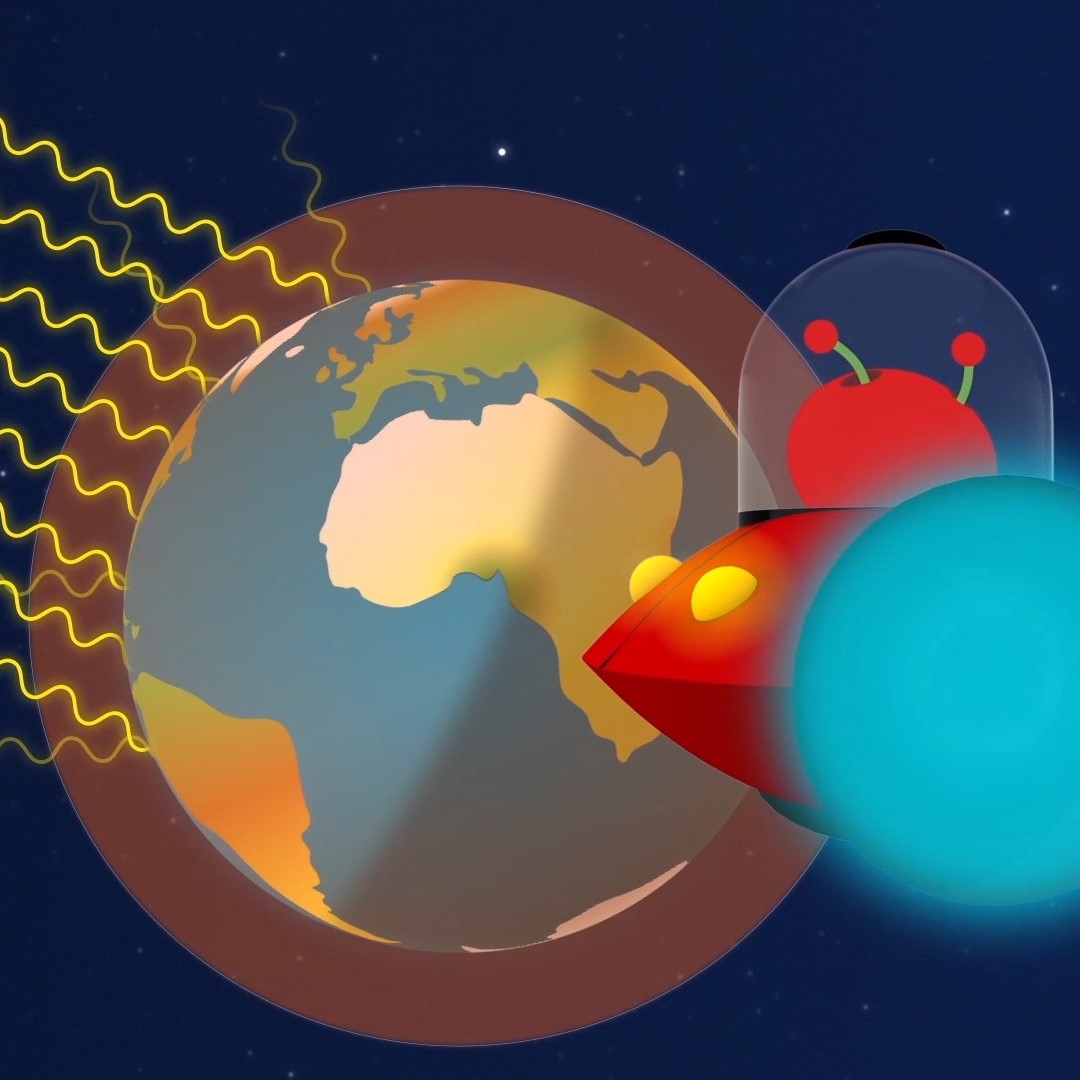
Paxi – The Greenhouse effect
Brief description:Join Paxi as he explores the greenhouse effect to learn about global warming. In this video, targeted at children...

The Electromagnetic Spectrum – Introduction
Learn about the electromagnetic spectrum and how satellites can see the invisible. Video by ESERO Germany (in English).
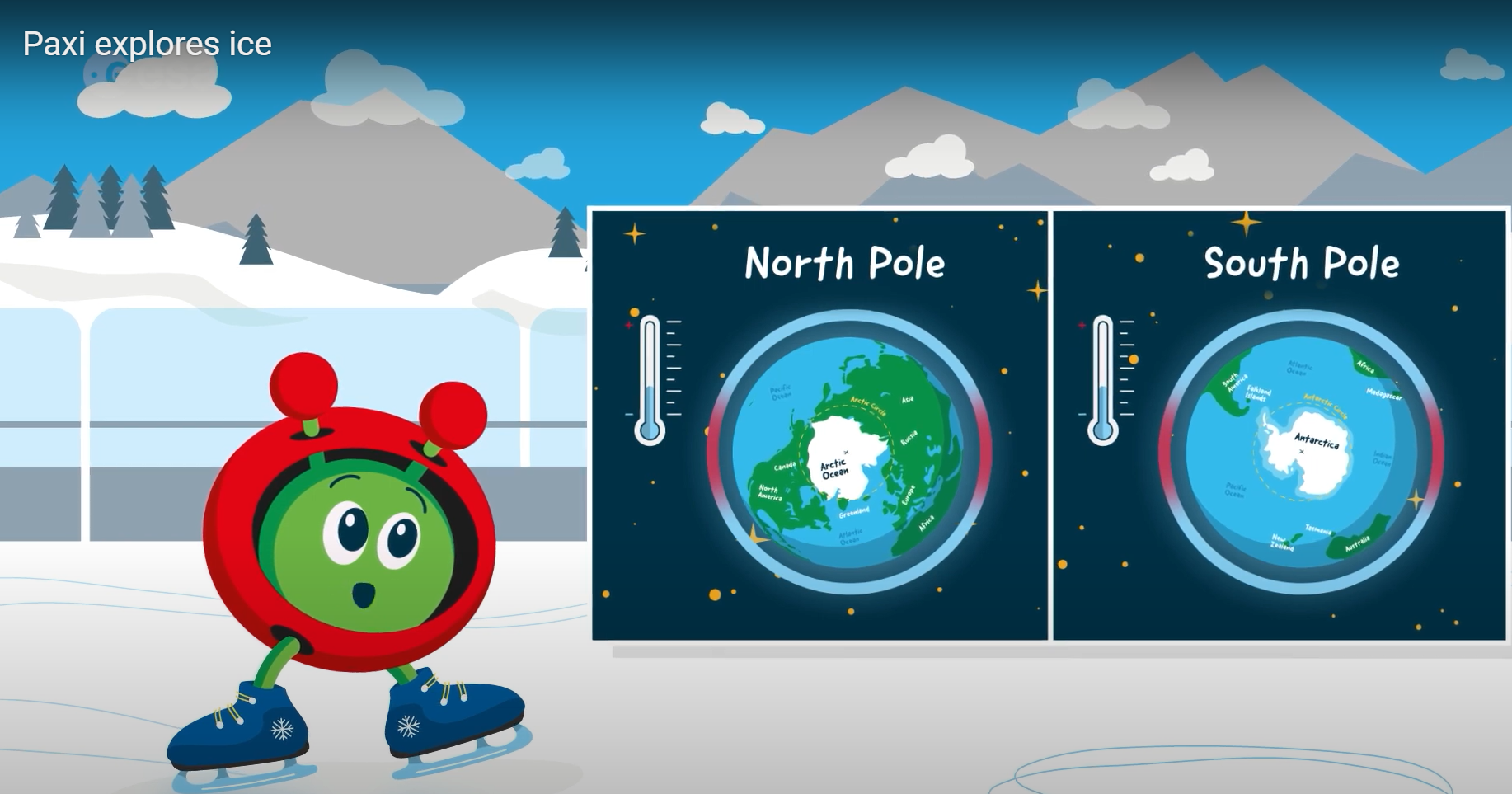
Paxi explores ice
Brief description:Join Paxi on an adventure to the North and South poles, to learn more about ice and its role...
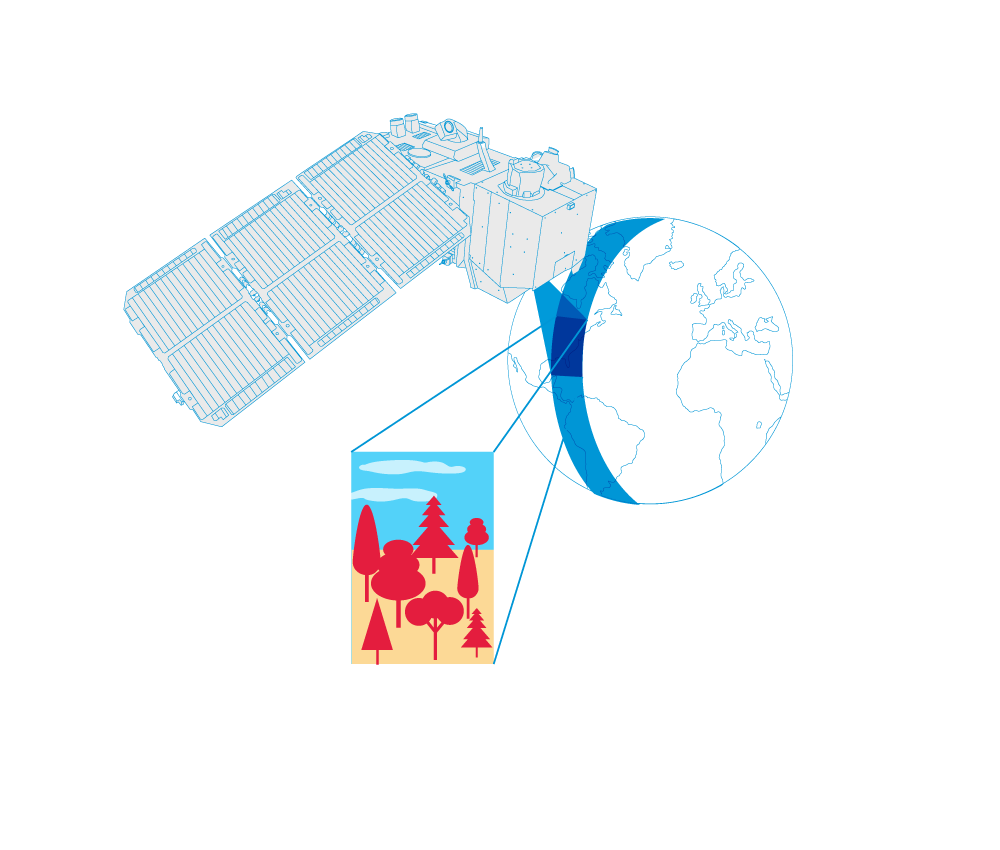
Infrared Webcam Hack – Using infrared light to observe the world in a new way
Brief description This set of three activities will enable students to understand the electromagnetic spectrum and observe infrared radiation through...

Paxi – Day, night, and the seasons
Brief description:Join Paxi as he explores why we have day and night, and learn why the Earth has seasons. Have...
 EN
EN  CS
CS  DA
DA  ET
ET  FI
FI  FR
FR  DE
DE  EL
EL  HU
HU  IT
IT  LV
LV  LT
LT  NL
NL  NB
NB  PL
PL  PT
PT  RO
RO  SK
SK  SL
SL  SV
SV  ES
ES