




One year on Earth – Understanding seasons
Brief description This resource includes two activities to foster and enhance pupils’ knowledge of seasons, and focuses on the basic...
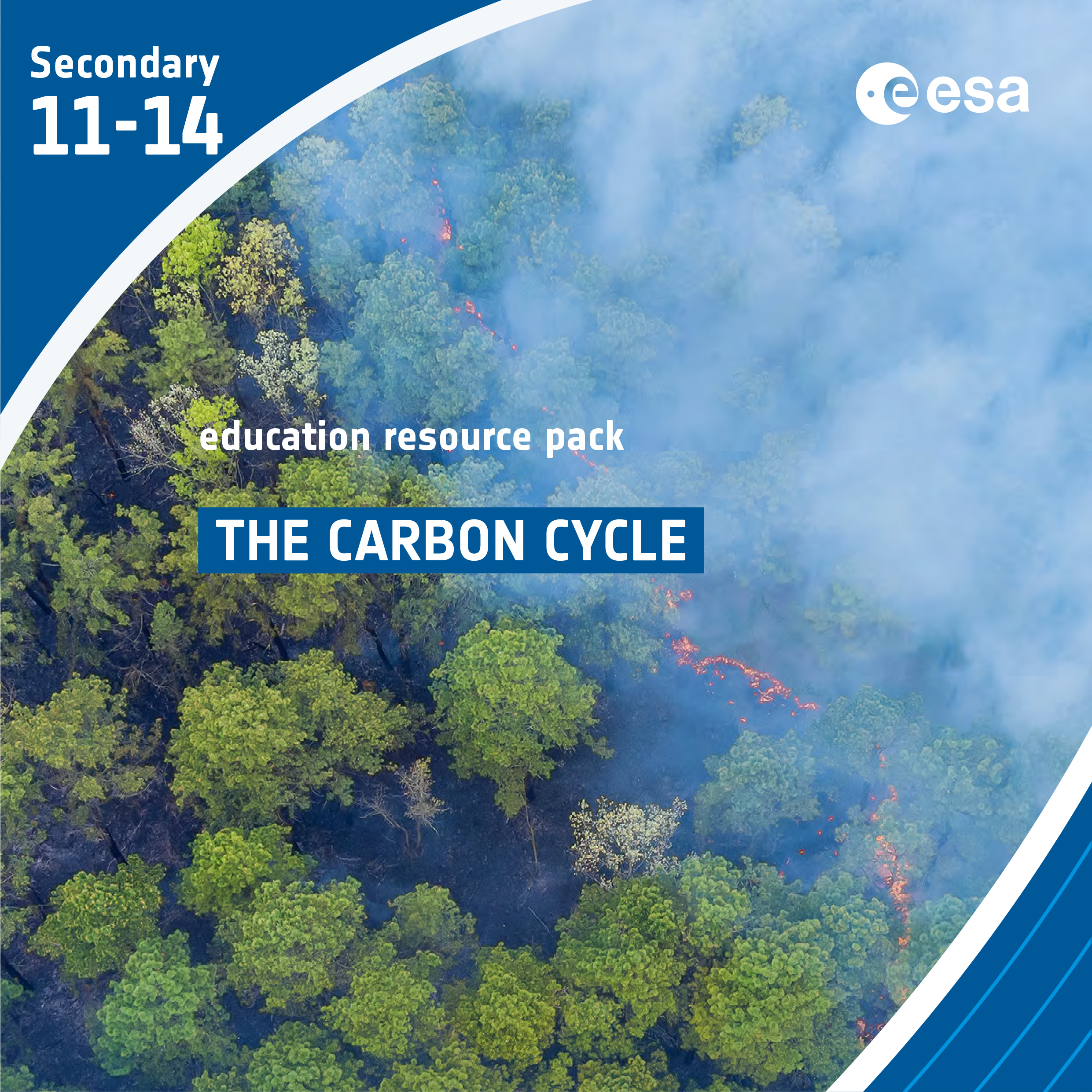
The Carbon Cycle
Brief description In this set of three activities, students will learn about the carbon cycle and use it to identify...

From the Ground and from the Sky- Analysing and understanding images of planet Earth taken from space
Brief description In this set of three activities, pupils are introduced to the idea of remote observation of the Earth...
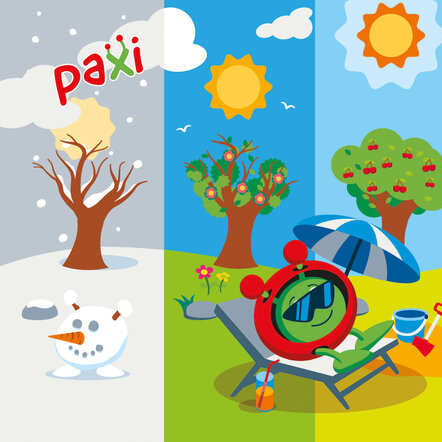
Paxi – Day, night, and the seasons
Brief description:Join Paxi as he explores why we have day and night, and learn why the Earth has seasons. Have...

Nose up high in the sky – Observing and measuring weather conditions
Brief description In this set of three activities, students will learn how their senses and instruments can be used to...
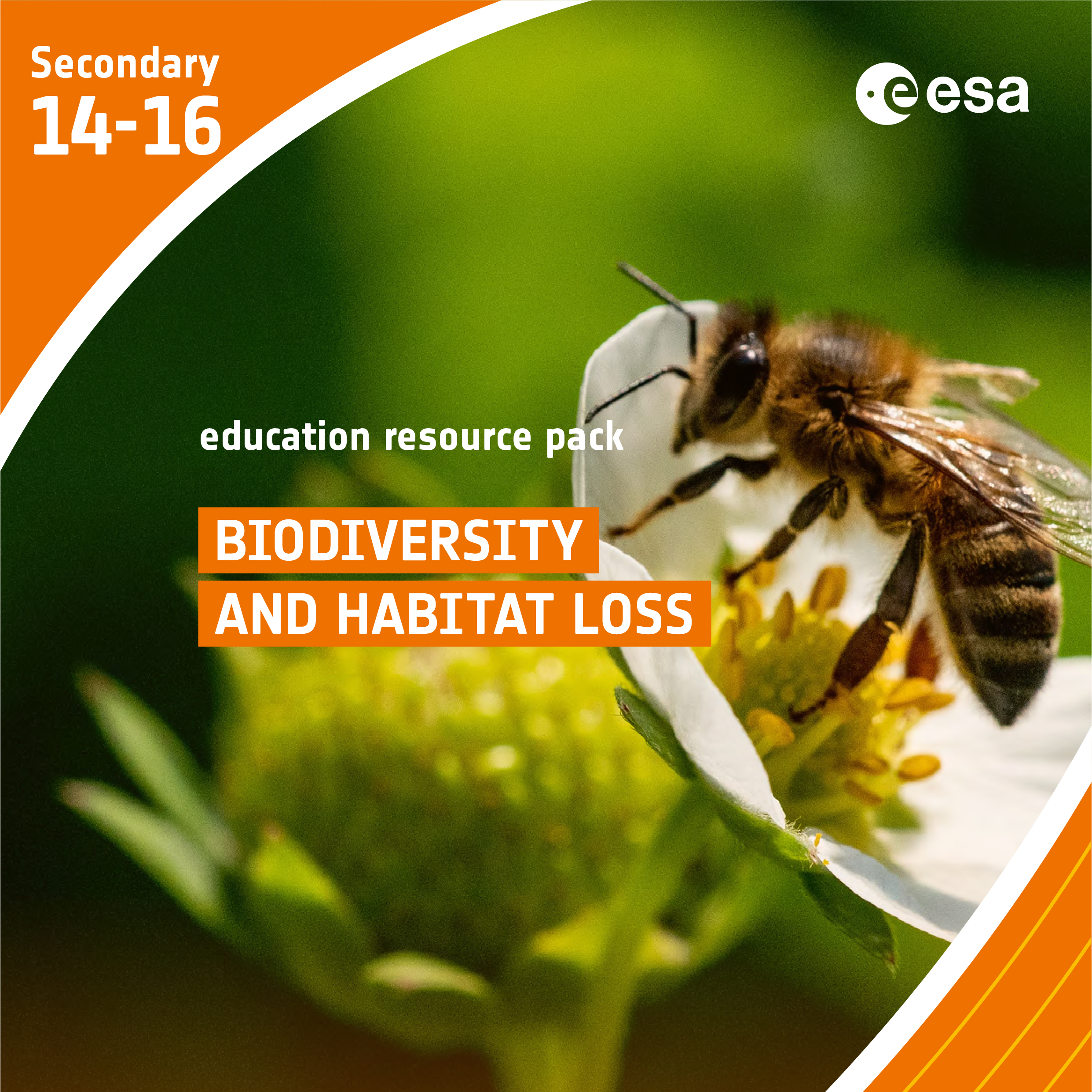
Biodiversity and Habitat Loss
Brief description In this set of three activities, students will start with a reading assignment that introduces vocabulary and ideas...
 English
  Czech
Czech  Danish
  Estonian
  Finnish
  French
  German
  Greek
Greek  Hungarian
  Italian
  Latvian
  Lithuanian
  Dutch
Dutch  Norwegian
  Polish
  Portuguese
  Romanian
  Slovak
  Slovenian
  Swedish
  Spanish